What is community resilience?
Extreme weather events (also referred to as natural hazards) are occurring more frequently in the Lake Champlain Basin, putting a strain on municipalities, especially small communities in which there are limited staff who must address all aspects of municipal governance. For example, in addition to all their other responsibilities, municipal officials in Vermont and New York increasingly deal with flooding, severe winter storms, severe rainstorms, or stream bank erosion. Resilience is the ability of a system, community, or society to plan for, resist, respond to, absorb, accommodate to, and recover from the effects of a hazard in a timely and efficient manner.
How is Lake Champlain Sea Grant helping to advance community resilience in the basin?
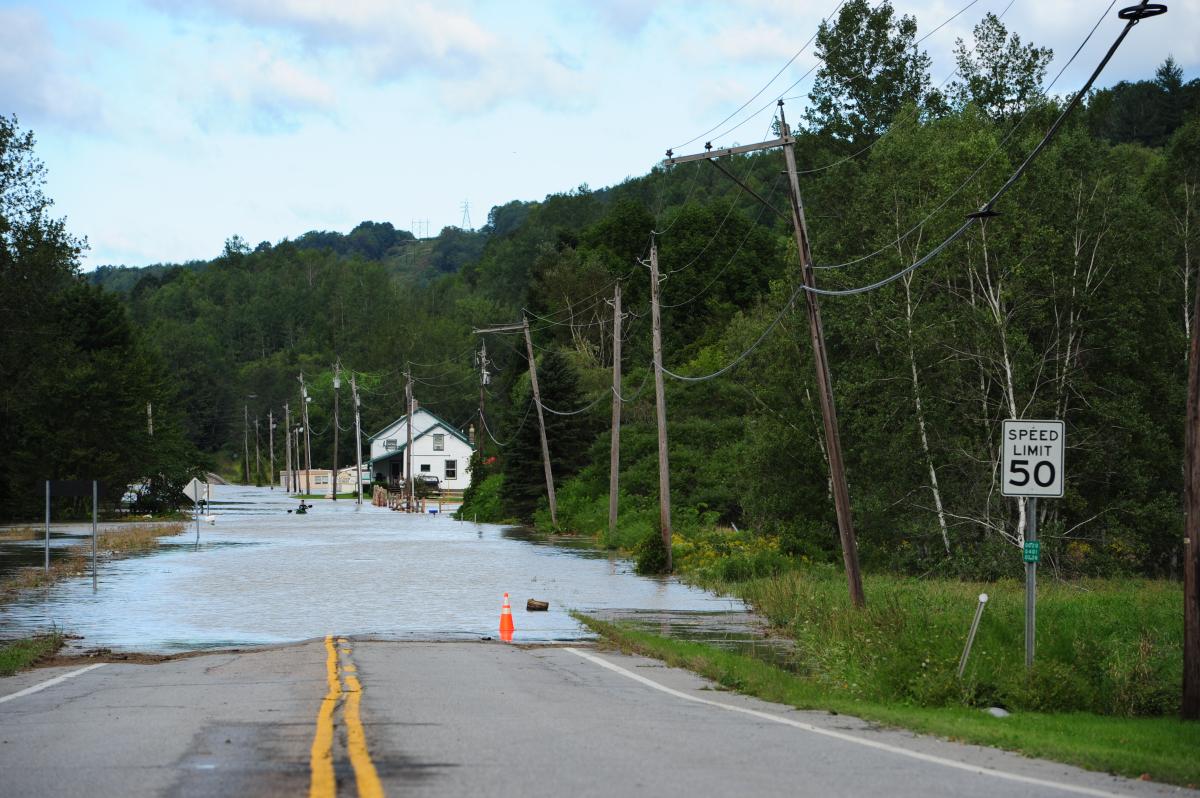
Lake Champlain Sea Grant works to improve resilience by connecting partners, decision-makers, and communities to each other and to resources that can lead to informed policy decisions and resilient communities. We partner with floodplain managers, watershed groups, and local government leaders throughout the basin in three main areas of work.
Flood Resilience Education for Municipal Officials
In partnership with state, nonprofit and local organizations, Lake Champlain Sea Grant educates municipal officials and staff on actions they can take to build flood-resilient communities. In November 2021, Lake Champlain Sea Grant surveyed municipal officials in the Lake Champlain basin to better understand their hazard resilience needs. This led to our work to increase awareness of flood resilience funding opportunities and technical assistance.
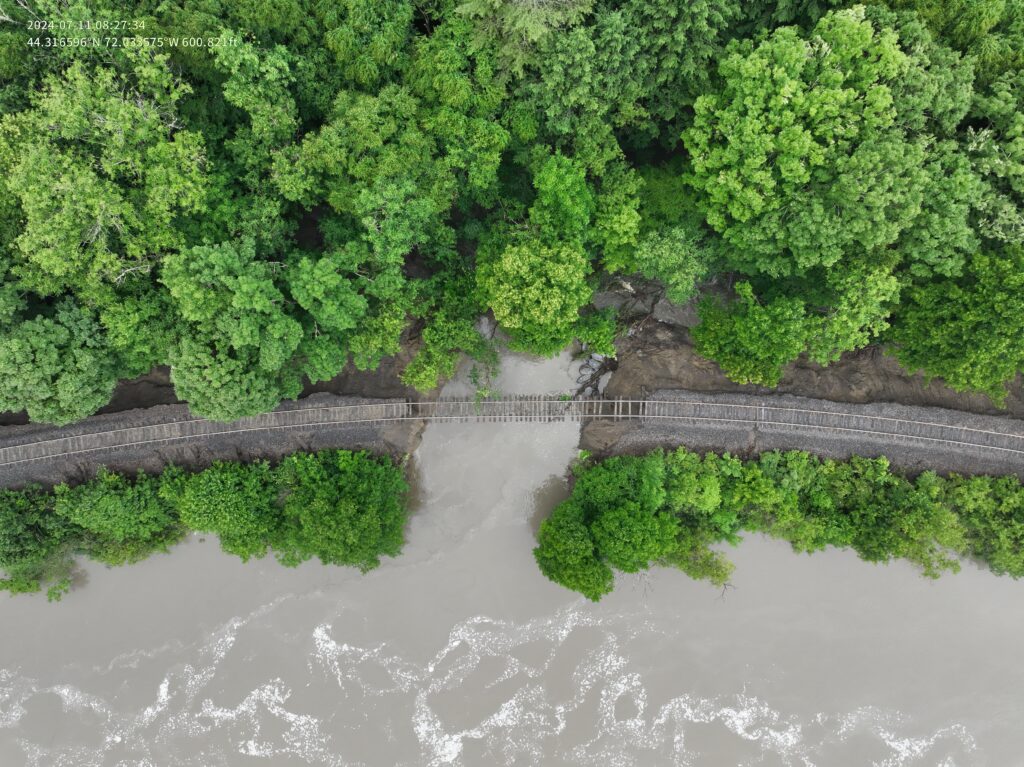
In the Lake Champlain basin, most flood-related damage is a result of erosive floodwater in the river corridor. Protecting river corridors from development is the #1 action municipalities can take to protect people and communities from extreme flooding. In partnership with The Nature Conservancy and the State, Lake Champlain Sea Grant creates presentations and educational material about flood resilience and river corridor protections for municipal boards in interested communities.
Flood Preparedness for Individuals
Lake Champlain Sea Grant hosts trainings and develops resources related to preparing for flooding for renters and homeowners. Our workshops cover where to get timely and reliable information about weather-related emergency alerts, strategies that can be implemented inside and outside the home to prepare for and prevent damage from future floods, and best practices for cleaning up after a flood.
Stream Table Workshops
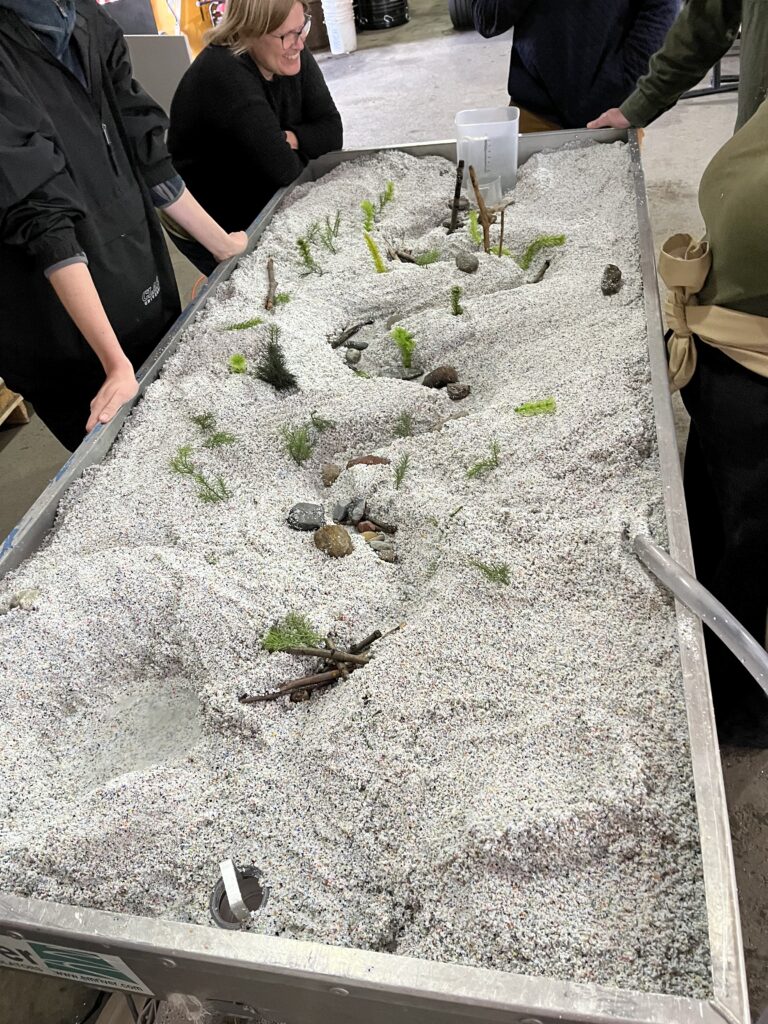
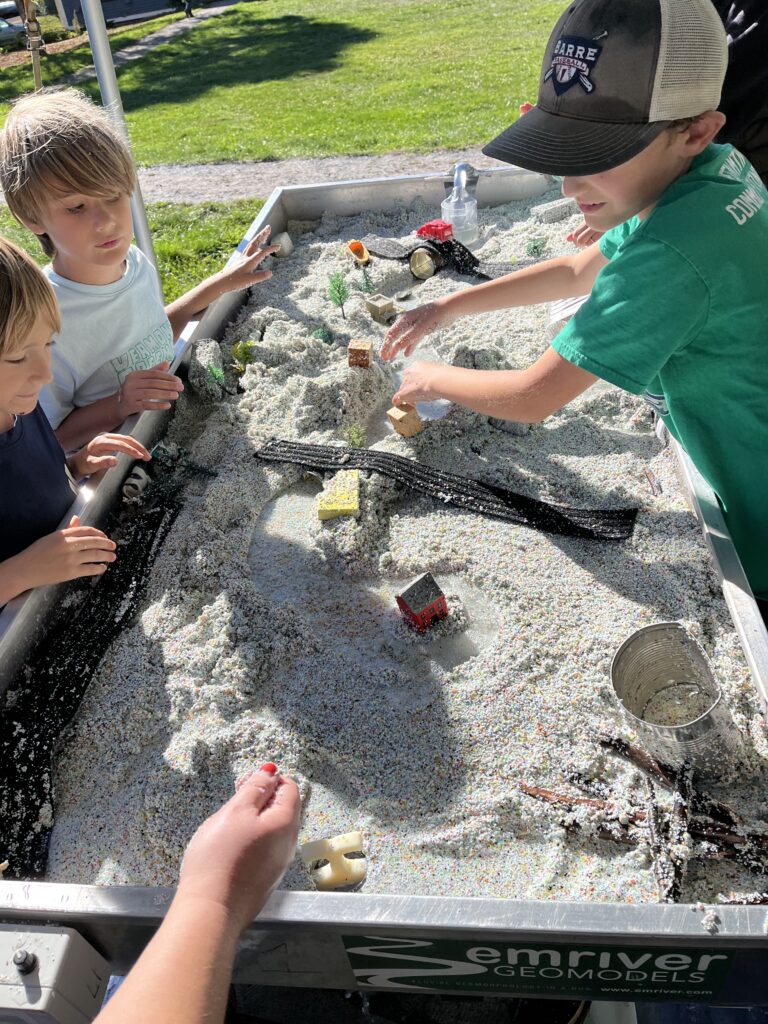
With most of the region’s flood-related damage occurring in and around our thousands of miles of rivers and streams, understanding how rivers behave and the tradeoffs of different management strategies is essential for planning and mitigating flood risks. However, observing these processes in the field can be challenging. Changes to river dynamics can happen over a long period of time, and it can be difficult to pinpoint how specific decisions or infrastructure changes impact a river. One tool Lake Champlain Sea Grant educators use to illustrate river dynamics is the Emriver stream table. The stream table is effective for visualizing how rivers move, erode, and respond to storms, making complex watershed processes easy to understand. We are able to provide our stream table at events and workshops to engage communities in hands-on education about river science and flooding.
NYS Resilient Communities Program
Lake Champlain Sea Grant serves on the city of Plattsburgh’s Climate Task Force, a group of volunteers that advises and collaborates with the city of Plattsburgh to accomplish actions outlined in the Climate Smart Communities program. This program is a free and voluntary program administered by the New York State Department of Environmental Conservation. It lays out specific actions local governments can take to reduce greenhouse gas emissions and improve community resilience to the impacts of climate change. To learn more about the city of Plattsburgh’s Climate Task Force and how to get involved, contact the Task Force coordinator at cctfcoordinator@gmail.com.
Partnerships
Assessing Flood Response Networks: As part of the Cooperative Institute for Research to Operations in Hydrology (CIROH), Lake Champlain Sea Grant staff are working with researchers at the University of Vermont to learn more about how flood forecast information is received and shared among emergency managers and community stakeholders in Vermont communities. Learning from these studies will help to improve the usability of flood forecasting tools on regional and national scales.
Looking for hands-on training?
The LCSG Flood Resilience team is available to host or attend events focused on flood resilience education. Reach out to Alison Spasyk, Flood Resilience Educator, if you are interested in partnering on an event.
Resources
Resources for Municipalities
Community Resilience Webinar Library
View recordings of previous events on this page.